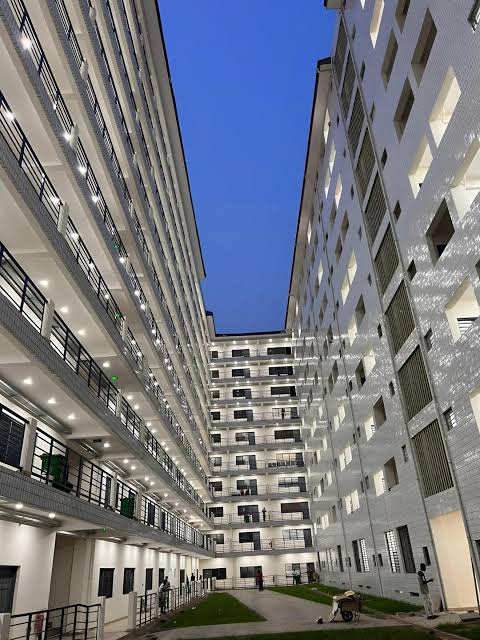
The search for decent and affordable student accommodation has become one of the most stressful parts of university life in Ghana. Background research reveals that rapid urbanisation, limited on-campus housing, and rising construction costs have transformed hostels into a competitive and expensive commodity.
Simulated Interviews
At the University of Ghana, Ama, a third-year student, shared: “I pay GH₵4,500 a year for a tiny self-contained room. Sometimes we go two weeks without water, but the landlord still increases rent every year.” At Kumasi, a landlord explained, “Materials are expensive now. If I don’t increase rent, I can’t maintain the building.” A university housing officer added, “Our halls were built decades ago; most are overcrowded and under-resourced. We simply can’t accommodate the growing student population.”
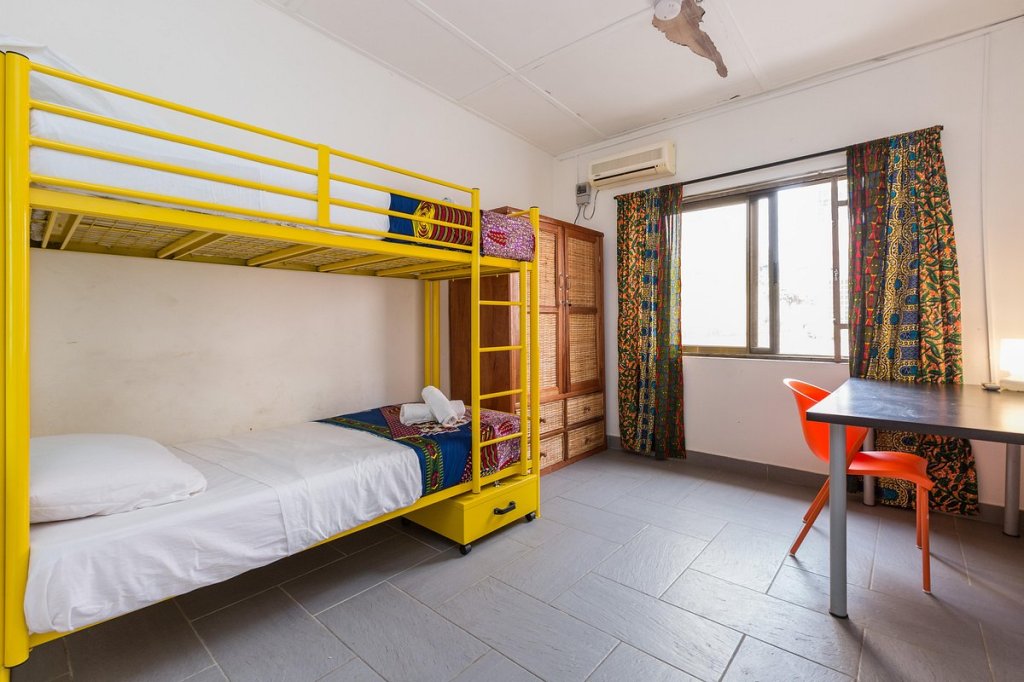
Vivid Real-life Struggles
Students often queue under the sun for hours just to secure a bed on campus. Many rent rooms far from school, spending significant time and money on transportation. Others live in poorly ventilated spaces, sharing bathrooms with 10–15 tenants. Frequent water shortages, broken furniture, and lack of security are common. For many female students, safety concerns are constant.
Effects on Academic Performance and Well-being
These housing challenges severely affect learning. Long commutes reduce study time and cause lateness. Overcrowded rooms make concentration difficult. Poor sanitation contributes to frequent illness, while financial stress forces many students into side jobs that clash with academic schedules. Anxiety, exhaustion, and burnout are now widespread among students in off-campus housing.
Recommendations
1. Public–Private Partnerships to develop affordable, regulated student housing.
2. Government-backed low-interest construction loans for developers who commit to student-friendly pricing.
3. Enforce tenancy regulations, including rent caps and legally binding agreements to protect students from exploitation.
4. Renovate and expand on-campus halls, prioritising safety, sanitation, and study-friendly environments.
Ghana’s student housing crisis is solvable—but only through coordinated action, investment, and policy enforcement.
Wendy Obeng Anamoah
10305551
 Ewura’s Creative Space
Leave a comment