Galamsey’s Deadly Price: The Human and Ecological Cost of Illegal Mining in Ghana
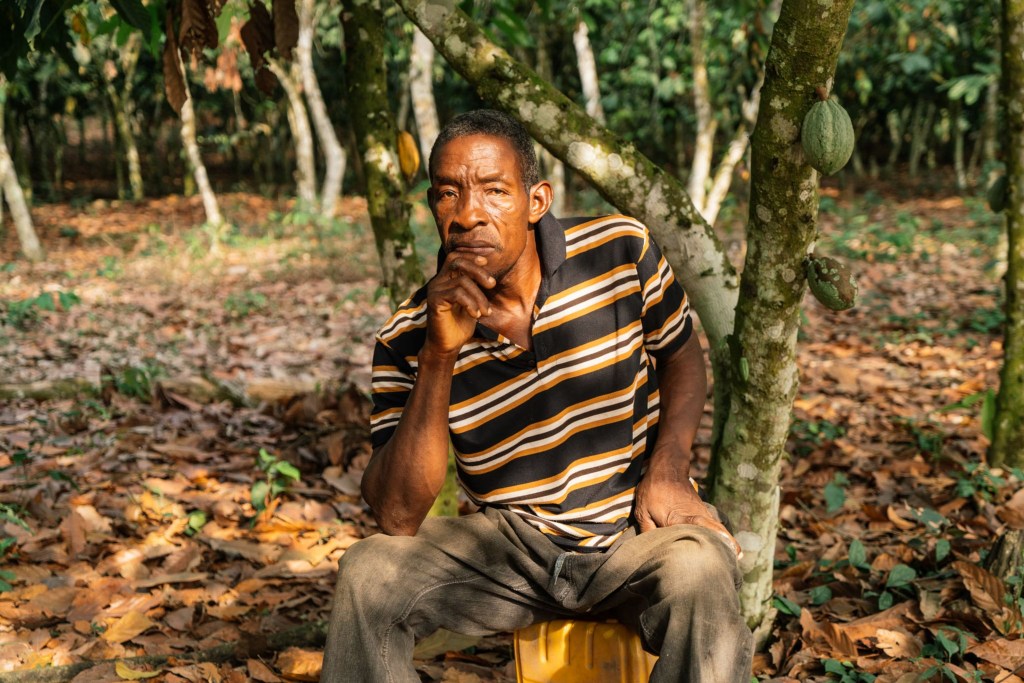
Illegal mining—popularly known as galamsey—continues to devastate communities and ecosystems across Ghana. Background research shows alarming degradation of water bodies, destruction of farmlands, and rising health risks.
In the Western Region, 52-year-old farmer Adwoa Nyarko recalls how her once-productive cocoa farm became infertile after miners contaminated the soil with mercury and heavy metals. “My crops die before they mature,” she says. In the Ashanti Region, children in mining communities fall sick from drinking polluted river water that once served entire villages.
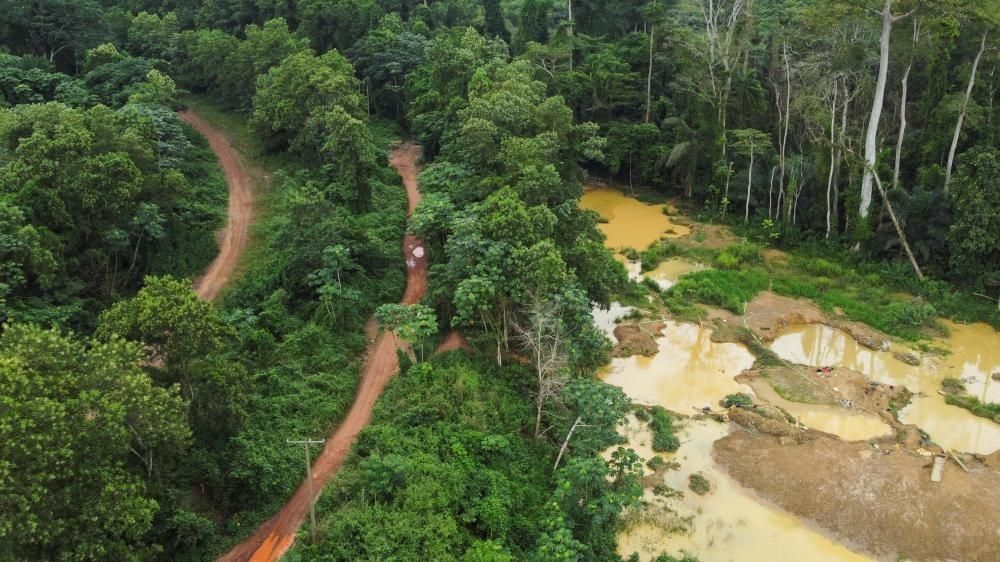
Environmental Consequences
Rivers such as Pra, Offin, and Ankobra have turned brown and toxic. Aquatic life is disappearing. Forest reserves are depleted as miners clear large areas for excavation. Mercury used in gold processing contaminates soil and water, posing long-term health risks.
Economic Consequences
Communities that relied on farming and fishing now suffer reduced income. Government spends millions restoring damaged land and treating water for urban consumption. Tourism prospects decline when natural landscapes are destroyed.
Solutions
1. Strengthened enforcement using advanced surveillance, collaboration with chiefs, and penalties targeting financiers of illegal mining.
2. Community-based rehabilitation programmes, including reforestation, river restoration, and sustainable livelihoods training.
3. Formalisation of small-scale mining, giving miners regulated zones, training, and environmentally safe equipment.
Illegal mining is not just an environmental issue—it is a human crisis. Addressing it requires coordinated national action.
 Ewura’s Creative Space
Leave a comment