SEA OPINION PIECE (500–700 words)
Simulate
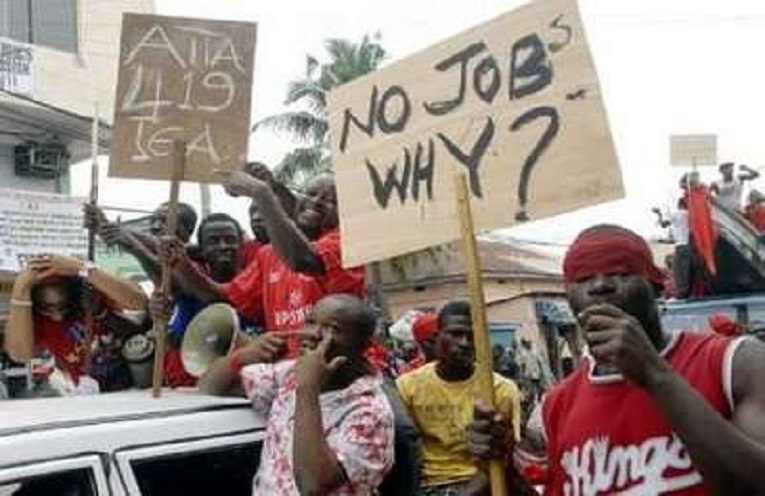
At 5:30 a.m., Kojo stood at the Kaneshie bus stop in a neatly ironed shirt and worn-out shoes, clutching a brown envelope containing ten freshly printed CVs. He had walked these streets for months, submitting applications, attending unpaid internships, and praying for a call that never came. As the morning traffic swelled, he wondered how a university degree had turned into a source of anxiety rather than opportunity. His younger sister, in SHS, often asked whether school was still worth the sacrifice. Kojo never knew how to answer.
Explain
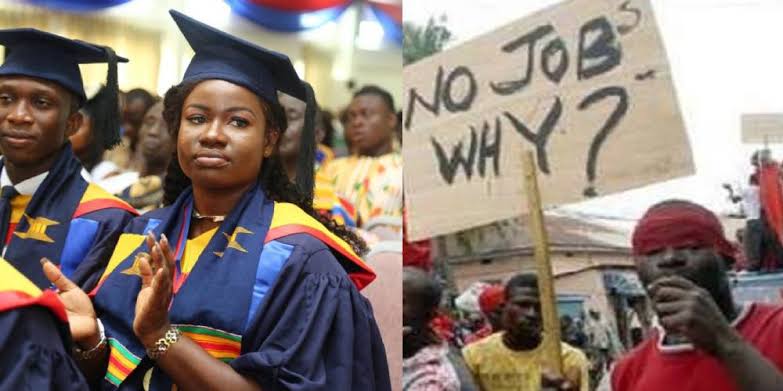
Youth unemployment has become one of Ghana’s most disturbing and urgent social crises. With thousands of graduates entering the job market each year, labour demand simply cannot match the supply. According to labour reports and employer surveys, the core problem is not just the absence of jobs but a persistent mismatch between academic training and workplace skills. Employers often cite deficiencies in communication, problem-solving, technical proficiency, and practical experience among job seekers.
Structural barriers worsen the situation. The formal sector grows slowly while the informal sector—dominated by low-income, unstable work—absorbs most young people. Limited access to capital prevents many from starting businesses, while weak industry-academia collaboration leaves graduates unprepared for real-world expectations. Social consequences are already visible: increased mental stress, rising migration attempts, financial dependence on families, and growing youth disillusionment with governance and national leadership.
Advocate
Immediate national action is required. First, government and educational institutions must strengthen internship and apprenticeship systems by partnering with industries and offering incentives for companies that hire or train graduates. A national graduate internship programme could provide structured, paid work experience for first-time job seekers.
Second, tertiary institutions must revise curricula to reflect modern economic needs. This includes embedding digital skills, entrepreneurship, soft skills, and industry-based projects across disciplines. Practical work should carry as much weight as theoretical knowledge.
Third, national youth entrepreneurship must be reimagined. Instead of short-term grants, Ghana needs a blended financing model combining low-interest loans with mentorship, market access, and tax relief for start-ups in ICT, agriculture, creative arts, and manufacturing.
Fourth, job creation must target high-potential sectors such as agro-processing, renewable energy, health services, and technology. Government can catalyse growth by offering tax incentives, stabilising energy supply, and supporting SMEs.
Finally, a National Youth Employment Agency with digital job-matching, career counselling, and skill-assessment platforms should be established to support job seekers like Kojo.
Kojo’s story reflects the experience of thousands. Unless decisive steps are taken, Ghana risks losing a generation to hopelessness. Addressing youth unemployment is not optional—it is a national responsibility.
Wendy Obeng Anamoah
10305551
 Ewura’s Creative Space
Leave a comment